
Introduction to Pork Rotisserie Cooking
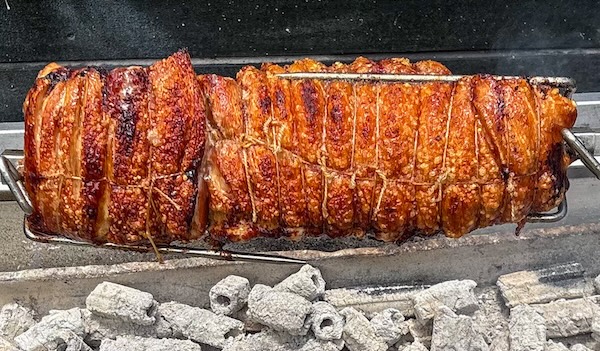
Few things draw a crowd quite like a pork spit roast—the smell of crackling crisping up, the slow rotation over charcoal, and that first slice of juicy, tender meat. Whether you are hosting a milestone birthday or a casual Sunday session, the rotisserie is the ultimate way to cook pork.
Choosing the right cut of pork for a spit roast is what separates an average result from something unforgettable. Each cut brings something different to the table, from the fat content and overall size to how well the rind transforms into that all-important crackling. In this guide, we’ll break down the top picks for rotisserie cooking—including boneless leg, shoulder, rolled loin, and pork belly—so you can decide which one fits your crowd, your budget, and your cooking style.
Why Pork is Perfect for Spit Roasting
There is a reason pork is a staple of the rotisserie world. While beef and lamb are excellent, pork offers a specific set of qualities that the spit highlights better than any standard oven ever could.
- Value for Money: It’s usually more wallet-friendly than other meats when you’re feeding a large group, and it pairs easily with almost any side dish.
- Natural Self-Basting: As the meat rotates, the fat renders and rolls over the surface, constantly basting the roast to keep it succulent.
- The Crackling Factor: Most pork cuts come with a thick rind perfectly suited for high-heat roasting, giving you that signature salty crunch.
- Cooking Flexibility: Pork is incredibly versatile; it’s just as happy being roasted “hot and fast” for clean slices as it is being smoked “low and slow” for pulling.
The 4 Best Pork Cuts for a Spit Roast
Not every cut performs the same when it’s spinning over a bed of hot coals. We’ve ranked our top four recommendations based on flavour, ease of use, and overall results.
Boneless Pork Leg (Our Choice)
This is our top recommendation and what we use for our catering packages. If you’re catering for a big crowd and need a result you can rely on, the leg is the gold standard for spit roasting.
Pros:
- Large size: A 5-6kg leg can easily feed 20–30 people.
- Balanced fat: It stays juicy without being overly fatty.
- Thick rind: This helps massively when achieving that perfect pork crackling.
- Uniform shape: Once tied, it forms a perfect cylinder for even cooking.
Cons:
- Leaner than shoulder: It can dry out if you push it past the target temp too far.
- Heat control: Requires steady medium heat to ensure the centre cooks without burning the outside.
Boneless Pork Shoulder (Best for Slow Cooking & Pulled Pork)
If your goal is meat that pulls apart with a fork, the shoulder is your go-to. It is a hardworking muscle with plenty of connective tissue and marbling. Check out our guide to rotisserie pulled pork with crackling.
Pros:
- High fat content: Almost impossible to dry out; extremely forgiving.
- Self-basting: The internal fat renders beautifully as it rotates.
- Texture: Perfect for long, slow cooks that result in tender meat.
Cons:
- Crackling: Can be a little more tricky than the leg but definitely achievable.
- Cook time: Takes significantly longer to reach “pulling” temperature.
Why it works: On a rotisserie, the shoulder is constantly bathed in its own rendered fat. This prevents the exterior from drying out during the 4-5+ hours required to break down the collagen.
Rolled Pork Loin
The loin is the “eye” of the pork. It is a leaner, more premium cut that is perfect for smaller gatherings where quality and presentation are the priority.
Pros:
- Tender: Naturally soft meat that requires less cooking time.
- Great crackling: Usually comes with a very consistent, flat layer of skin.
- Faster cook time: The meat’s smaller diameter will result in a faster cook time.
Cons:
- Small diameter: Depending on the size of your spit, it may not feed a massive crowd.
- Drying risk: Because it is usually quite narrow, you will want to check the temperature regularly to avoid overcooking.
Why it works: For a dinner party of 10-20 people, a rolled loin is ideal. It cooks relatively quickly and offers a refined, easy-to-carve meal.
Rolled Pork Belly
If you want pure indulgence, pork belly is the winner. Often prepared as a “Porchetta,” this cut is all about flavour.
Pros:
- Incredible flavour: The highest fat-to-meat ratio.
- Ultra juicy: The meat is protected by layers of fat.
- Superior crackling: Pork belly skin is famous for reaching that shattered-glass texture.
Cons:
- Cost: More expensive per kilogram, and you lose a lot of volume to rendered fat.
Why it works: The rotisserie allows the heavy fat layers in the belly to render out slowly, preventing the meat from drying out, while ensuring the skin gets maximum heat exposure.
Which Pork Cut Should You Choose?
| Cut | Best For | Fat Content | Crackling | Cook Time |
| Boneless Leg | Catering / Large Groups | Medium | Excellent | Medium |
| Shoulder | Pulled Pork / Slow Cooks | High | Moderate | Long |
| Rolled Loin | Small Groups / Premium | Medium | Excellent | Short |
| Pork Belly | Indulgent / Porchetta | High | Excellent | Short |
How to Choose the Right Cut for Your Event
- Large Crowd: Stick with a good quality boneless leg. It’s cost-effective, easy to slice, and provides plenty of crackling for everyone.
- The “Low & Slow” Fan: If you have all day and want shreddable meat, go for the shoulder.
- Small Gathering: A rolled loin or belly offers a higher-end experience for fewer people.
- Budget Considerations: Leg and shoulder are generally the most economical, while belly and loin sit at a premium price point.
Preparation Tips for Pork Spit Roasting
Score the Rind for Crackling
Use a very sharp knife (or a clean box cutter) to score the skin. Cut through the rind and into the fat, but do not cut into the meat. Space your scores about 1cm apart. This allows the fat to escape and fry the skin from the inside out.
Tie the Pork Properly
Pork tends to soften and expand as it cooks. Use butcher’s twine to tie your roast into a tight, uniform cylinder at 3cm intervals. This ensures it rotates smoothly without wobbling and cooks at the same rate from end to end. Here is a helpful tutorial on how to truss a roast.
Season Generously
Salt is the most important ingredient for pork. Rub plenty of sea salt into the score marks on the skin—this draws out moisture and is the only way to get a loud, crunchy crackle. You can use rubs on the meat, but keep the skin simple with salt and a little oil.
Cooking Tips for Perfect Rotisserie Pork
Start with Direct Heat (The Crackle)
To get the crackling started, move your hot coals directly under the meat for the first 45–60 minutes. Lower the meat as close to the coals as you can, but monitor it closely so it doesn’t burn the crackling. This high heat is what makes the skin bubble and set. Once the pork rind has crackled, move the meat far enough away from the coals to achieve a medium heat. Hot enough to cook the centre, without burning the outside.
Add Smoking Chips (Optional)
Throw a handful of applewood chips onto the coals during the high-heat phase. The smoke will penetrate the meat while it is still cool and the surface is moist.
Internal Temperature & Resting
- Target: Pull the pork off the spit when the internal temp hits 60–65°C (for slicing cuts like leg or loin). For shoulder/pulled pork, you’re looking for 93°C.
- Resting: Let the meat rest for at least 20–30 minutes. This redistributes the juices; if you cut it too early, the meat will dry out instantly.
Serving Suggestions
- Bread Rolls: You can’t beat a classic pork roll with gravy and apple sauce, or try a Banh Mi style with pickled carrots and coriander.
- Salads: A zesty apple-and-cabbage slaw cuts through the richness of the pork beautifully.
- Sauces: Apple Sauce, Gravy, Garlic Aioli, Chimichurri, or your favorite hot sauce. We love a good combo of our chunky apple sauce, aioli, and Sunshine Sauce Oh Carolina!
Conclusion
Choosing the right cut is half the battle. If you want a reliable all-rounder for a big crowd, the boneless leg is your winner. For those who love a slow, smoky session, the shoulder is unbeatable, while the loin and belly remain the premium choices for smaller, indulgent meals.
The best part about spit roasting is the experimentation. Each cut reacts differently to the flame, so grab a roast, tie it tight, and get the rotisserie spinning.
Planning an event? Check out our spit roast catering packages at Dizzy Spit Roasts.

